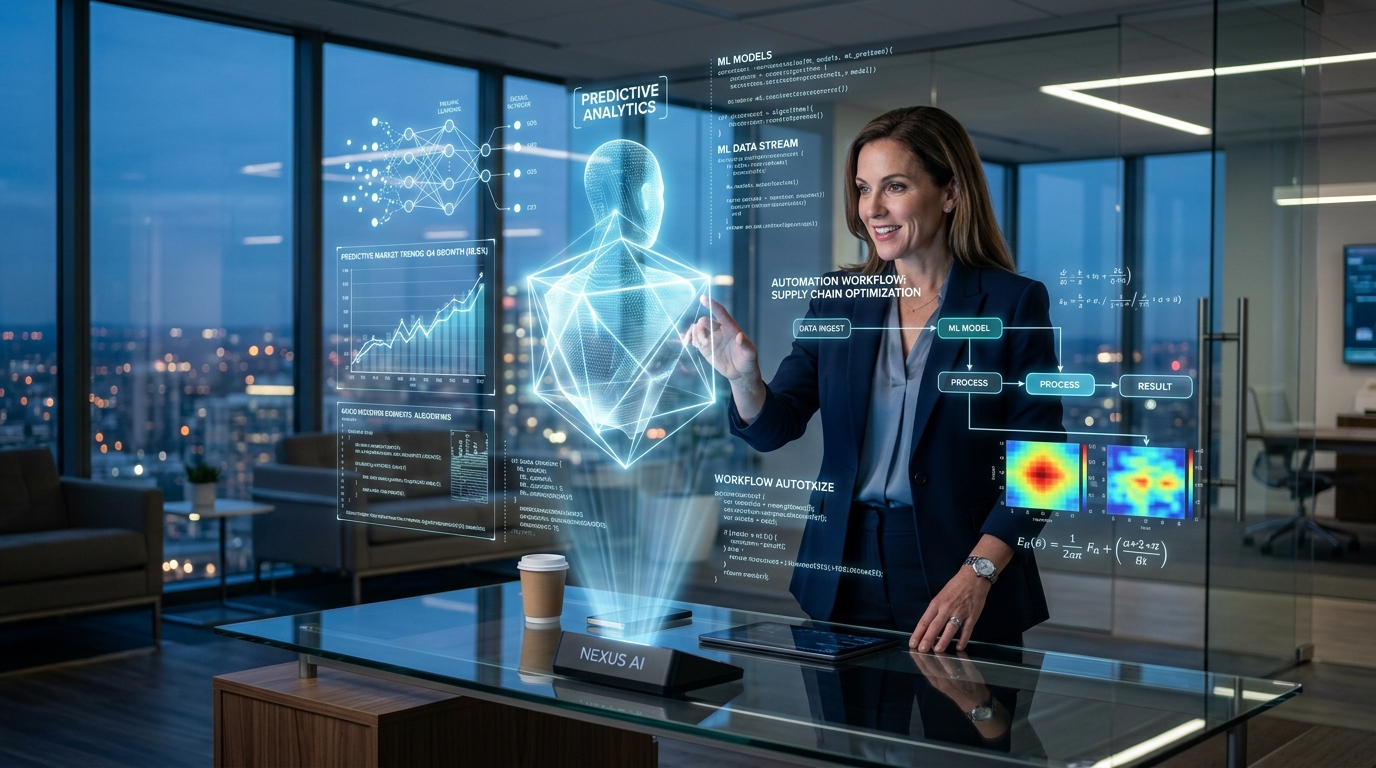
Artificial intelligence has become one of the most transformative technologies of the modern era. Over the last decade, machine learning systems have evolved from experimental software projects into powerful tools used across industries worldwide. Businesses, governments, healthcare providers, banks, retailers, and technology companies now rely on AI-driven systems to automate tasks, analyze data, and improve decision-making. droven.io machine learning trends.
As digital transformation accelerates, more people are searching for insights related to Droven.io machine learning trends. Interest in machine learning trends continues growing because AI is influencing nearly every aspect of modern life, from online shopping recommendations to advanced medical diagnostics.
The rapid growth of AI technology has created both excitement and uncertainty. Companies are investing billions into machine learning research because intelligent systems can improve productivity, reduce costs, and deliver more personalized customer experiences. At the same time, concerns about ethics, privacy, and job automation continue shaping conversations about the future of AI. droven.io machine learning trends.
This article explores the most important machine learning trends connected to modern digital innovation, including automation, predictive analytics, generative AI, cybersecurity, ethical technology, and future industry developments.
Understanding Droven.io and Its Connection to AI Innovation
Droven.io has become associated with discussions surrounding emerging technologies, artificial intelligence, and digital transformation strategies. As more organizations attempt to understand AI-driven innovation, platforms covering machine learning trends continue gaining attention among technology enthusiasts and business professionals.
The popularity of AI-focused platforms reflects a larger global shift toward intelligent systems. Businesses today want faster insights, automated workflows, and scalable technologies that help them remain competitive in increasingly digital markets.
Machine learning trends discussed within modern tech ecosystems typically focus on:
- Automation growth
- AI-powered analytics
- Intelligent customer experiences
- Data-driven business strategies
- Future technological innovation
These trends are shaping the future economy at an extraordinary pace. droven.io machine learning trends.
What Are Machine Learning Trends?
Machine learning trends refer to the latest developments, applications, and innovations within artificial intelligence systems that learn from data and improve performance over time. These trends change rapidly because AI technology evolves continuously through new research, advanced algorithms, and increasing computational power.
Machine learning itself is a branch of AI that allows systems to identify patterns, make predictions, and improve decision-making without being explicitly programmed for every task.
Today, machine learning trends influence:
- Healthcare systems
- Financial services
- Retail platforms
- Transportation networks
- Manufacturing industries
- Digital marketing strategies
As organizations collect more data, the demand for intelligent systems capable of analyzing that information grows stronger every year. droven.io machine learning trends.
Why Machine Learning Is Reshaping Modern Industries
Machine learning is transforming industries because traditional business methods often cannot process modern data volumes efficiently. AI systems can analyze enormous amounts of information far faster than humans while identifying patterns that might otherwise remain hidden.
This transformation is happening because organizations want:
- Faster decision-making
- Improved customer experiences
- Reduced operational costs
- Greater efficiency
- Better forecasting capabilities
Companies that adopt AI early frequently gain significant competitive advantages over slower-moving competitors.
Machine learning also changes how businesses approach innovation. Instead of relying entirely on manual analysis, organizations increasingly depend on intelligent systems capable of predicting future outcomes based on historical patterns.
The Rise of AI-Driven Business Transformation
Modern business transformation is heavily connected to artificial intelligence. Companies no longer view AI as an optional experiment. Instead, machine learning has become a central strategic investment.
Businesses are using AI to:
- Automate customer support
- Improve logistics systems
- Analyze consumer behavior
- Detect fraud
- Personalize marketing campaigns
The transition toward intelligent automation has accelerated because digital competition continues increasing globally.
Organizations that fail to adapt to AI-driven transformation risk losing market relevance in the future economy.
Droven.io Machine Learning Trends in 2026
Current discussions surrounding Droven.io machine learning trends focus heavily on the technologies expected to dominate the next phase of digital innovation.
Several important trends are leading this transformation:
- Generative AI expansion
- Predictive analytics growth
- AI-powered automation
- Ethical AI governance
- Intelligent personalization systems
- Real-time edge computing
These developments are not temporary technology trends. They represent long-term changes in how businesses operate and how consumers interact with digital systems.
Machine learning is increasingly becoming integrated into everyday activities, often without users even realizing it.
Automation and Intelligent Workflows

Automation remains one of the strongest drivers of machine learning adoption worldwide. AI-powered automation systems can perform repetitive tasks faster, more accurately, and more consistently than traditional manual processes.
Businesses now automate:
- Customer service interactions
- Inventory management
- Data entry processes
- Marketing workflows
- Financial reporting systems
One reason automation is growing so rapidly is because organizations face increasing pressure to improve efficiency while reducing costs.
Key advantages of AI automation include:
- Reduced human error
- Faster operational speed
- Better scalability
- Lower long-term expenses
- Improved productivity
However, automation also raises concerns about workforce displacement and changing job requirements.
Predictive Analytics and Smarter Decision-Making
Predictive analytics has become one of the most valuable applications of machine learning in modern business environments. Instead of reacting to problems after they occur, companies now use AI systems to anticipate future outcomes.
Predictive analytics helps organizations:
- Forecast sales trends
- Predict customer behavior
- Detect financial risks
- Improve supply chain management
- Identify fraud patterns
The ability to make proactive decisions gives businesses significant strategic advantages.
For example, retailers use predictive models to estimate future inventory demand, while financial institutions rely on AI systems to identify suspicious transactions before fraud occurs.
This shift toward predictive intelligence represents one of the most important machine learning trends today.
Natural Language Processing and Human-Like AI Communication
Natural Language Processing, commonly called NLP, allows computers to understand and generate human language. Recent breakthroughs in AI communication models have dramatically improved machine understanding of text and speech.
NLP technologies now power:
- Virtual assistants
- AI chatbots
- Translation tools
- Search engines
- Voice recognition systems
The growing sophistication of NLP is changing how people interact with technology.
Instead of using rigid commands, users can now communicate with AI systems in more natural conversational language. This trend is making digital technology more accessible and user-friendly across industries.
Generative AI and Content Creation Technologies
Generative AI is one of the fastest-growing sectors in artificial intelligence. Unlike traditional AI systems that primarily analyze data, generative AI creates entirely new content based on learned patterns.
These systems can generate:
- Written content
- Images
- Videos
- Music
- Computer code
Businesses are rapidly adopting generative AI for marketing, design, software development, and customer communication.
The rise of AI-generated content is transforming creative industries while also creating new discussions around originality, copyright, and ethical content production.
The Role of Big Data in Machine Learning Growth
Machine learning systems rely heavily on data. The more data an AI model receives, the more effectively it can identify patterns and improve accuracy.
Big data has become essential because modern organizations collect enormous amounts of information through:
- Websites
- Mobile apps
- Social media
- Online transactions
- Smart devices
Without large-scale data collection, many advanced machine learning systems would not function effectively.
Data quality is equally important. Poor-quality data can reduce model accuracy and create unreliable predictions.
Edge AI and Real-Time Processing Systems
Edge AI refers to machine learning systems that process data directly on local devices instead of relying entirely on remote cloud servers.
This trend is becoming increasingly important because businesses want:
- Faster response times
- Improved privacy protection
- Lower internet dependency
- Real-time decision-making
Edge AI is particularly valuable for:
- Autonomous vehicles
- Smart home systems
- Industrial robotics
- Healthcare monitoring devices
As connected devices continue expanding worldwide, edge computing is expected to become a major AI infrastructure trend. droven.io machine learning trends.
Computer Vision and Image Recognition Innovations
Computer vision enables machines to interpret and analyze visual information such as images and video footage.
Applications of computer vision include:
- Facial recognition
- Medical imaging analysis
- Security monitoring
- Self-driving vehicle navigation
- Industrial quality control
Machine learning improvements have dramatically increased image recognition accuracy in recent years.
Healthcare organizations, retailers, and manufacturers increasingly depend on computer vision technologies for automation and operational efficiency. droven.io machine learning trends.
Personalized Digital Experiences Through AI
Modern consumers expect highly personalized digital experiences. Machine learning systems analyze user behavior to deliver customized recommendations and targeted content. droven.io machine learning trends.
Examples of AI personalization include:
- Streaming recommendations
- Personalized advertisements
- Product suggestions
- Customized website experiences
Personalization improves:
- User engagement
- Customer satisfaction
- Conversion rates
- Brand loyalty
Companies that provide more relevant experiences often achieve stronger long-term customer relationships.
Machine Learning in Healthcare and Medicine
Healthcare is one of the industries experiencing the most dramatic AI transformation.
Machine learning now supports:
- Disease prediction
- Medical imaging analysis
- Drug research
- Personalized treatment planning
- Patient monitoring systems
AI technologies help doctors analyze medical information more efficiently and improve diagnostic accuracy.
Healthcare AI is expected to expand significantly as technology becomes more advanced and accessible.
Financial Technology and AI-Powered Banking
Banks and financial institutions use machine learning to improve security, efficiency, and customer experiences.
AI-powered financial applications include:
- Fraud detection systems
- Credit risk analysis
- Automated investment platforms
- Customer service chatbots
Financial organizations depend heavily on machine learning because modern digital banking generates enormous transaction volumes every day. droven.io machine learning trends.
AI systems can detect unusual activity patterns far faster than traditional manual review processes.
E-Commerce Personalization and Consumer Behavior Analysis
E-commerce companies use machine learning extensively to understand consumer behavior and increase sales performance.
AI systems analyze:
- Browsing habits
- Purchase history
- Product preferences
- Shopping patterns
This data helps retailers recommend products more effectively and create targeted marketing campaigns.
Online personalization has become one of the strongest competitive advantages in digital commerce. droven.io machine learning trends.
Cybersecurity Trends in Machine Learning
Cybersecurity threats continue growing as businesses become more digitally connected. Machine learning is helping organizations improve threat detection and security monitoring.
AI-powered cybersecurity systems can:
- Detect unusual network activity
- Identify malware patterns
- Prevent fraud attempts
- Monitor login anomalies
At the same time, cybercriminals are also using AI technologies, creating a rapidly evolving cybersecurity landscape.
This technological arms race will likely intensify in the future. droven.io machine learning trends.
Ethical AI and Responsible Innovation
As AI systems become more powerful, ethical concerns continue growing globally. Businesses and governments increasingly recognize the need for responsible AI development.
Important ethical concerns include:
- Data privacy
- AI bias
- Transparency
- Surveillance misuse
- Workforce displacement
Responsible AI practices focus on balancing innovation with fairness and accountability.
Organizations that ignore ethical considerations may face public criticism, legal challenges, and loss of consumer trust. droven.io machine learning trends.
Cloud Computing and Scalable AI Infrastructure
Cloud computing plays a critical role in modern machine learning development because AI models require massive computing resources.
Cloud platforms allow organizations to:
- Train large AI models
- Store enormous datasets
- Scale computing power
- Deploy AI systems globally
Without cloud infrastructure, many advanced machine learning applications would be too expensive for smaller businesses. droven.io machine learning trends.
Cloud-based AI services have helped democratize access to machine learning technologies.
Machine Learning in Smart Manufacturing
Manufacturing industries are rapidly adopting AI-driven automation and predictive systems.
Machine learning improves industrial operations through:
- Predictive equipment maintenance
- Robotics optimization
- Production forecasting
- Quality control analysis
Smart factories use intelligent systems to improve efficiency and reduce downtime.
This trend is expected to expand as industrial automation technologies continue advancing. droven.io machine learning trends.
Remote Work, Productivity, and AI Assistants
The global rise of remote work accelerated demand for AI-powered productivity tools.
Modern AI assistants now help with:
- Meeting summaries
- Scheduling management
- Workflow automation
- Team collaboration
Machine learning technologies are reshaping how employees work and communicate in digital environments.
Businesses increasingly depend on intelligent systems to maintain productivity across distributed teams. droven.io machine learning trends.
Challenges Facing the Machine Learning Industry
Despite rapid growth, machine learning still faces several major challenges.
Important industry challenges include:
- High development costs
- Data privacy concerns
- AI bias issues
- Limited transparency
- Shortage of skilled professionals
Addressing these problems will be essential for sustainable long-term AI growth.
Public trust in AI technologies depends heavily on how responsibly these challenges are managed. droven.io machine learning trends.
Future Career Opportunities in AI and Machine Learning
The machine learning industry is creating enormous career opportunities worldwide.
Future AI-related roles include:
- Data scientists
- Machine learning engineers
- AI ethics specialists
- Automation consultants
- Cybersecurity analysts
As digital transformation expands, demand for AI expertise is expected to grow across nearly every industry sector.
Students and professionals who develop machine learning skills may benefit from strong long-term career opportunities. droven.io machine learning trends.
The Future Outlook of Droven.io Machine Learning Trends
The future of Droven.io machine learning trends appears closely connected to the broader expansion of artificial intelligence across society.
Future developments will likely focus on:
- More advanced automation
- Real-time AI systems
- Human-like communication models
- Stronger ethical frameworks
- Improved personalization technologies
Machine learning is expected to become increasingly integrated into everyday life, influencing how people work, shop, communicate, and solve problems.
The next decade will likely determine how AI shapes the future global economy. droven.io machine learning trends.
Conclusion
The growing popularity of Droven.io machine learning trends reflects the extraordinary global interest in artificial intelligence, automation, and intelligent digital systems. Machine learning is transforming industries at a speed rarely seen in technological history.
From predictive analytics and generative AI to cybersecurity and healthcare innovation, AI technologies are reshaping how organizations operate and how consumers experience digital services. Businesses that understand and adopt these trends early will likely gain major competitive advantages in the evolving digital marketplace.
At the same time, ethical concerns, privacy protection, and responsible innovation remain critical challenges that must be addressed carefully. The future of machine learning will depend not only on technological advancement but also on how society chooses to manage and regulate intelligent systems responsibly.
As AI continues evolving, machine learning will remain one of the most influential forces driving the future of technology, business, and human interaction. droven.io machine learning trends.
FAQs
1. What is Droven.io machine learning trends?
It refers to discussions and insights about emerging AI and machine learning technologies connected to digital innovation.
2. Why are machine learning trends important?
They help businesses understand future technologies, automation strategies, and competitive opportunities.
3. What industries use machine learning the most?
Healthcare, finance, retail, manufacturing, cybersecurity, and marketing heavily use machine learning.
4. What is generative AI?
Generative AI creates new content such as text, images, music, videos, and code using machine learning models.
5. How does machine learning improve business operations?
It improves automation, predictive analytics, customer personalization, and operational efficiency.
6. What are the biggest machine learning challenges?
Data privacy, AI bias, ethical concerns, high costs, and transparency remain major challenges.
7. What is edge AI?
Edge AI processes machine learning tasks directly on local devices instead of relying fully on cloud servers.
8. What is the future of machine learning?
The future includes smarter automation, advanced personalization, real-time intelligence, and deeper integration into everyday technology.