ant formicarium setups have transformed the way enthusiasts observe and interact with ant colonies, turning a simple curiosity into a captivating hobby. These carefully designed habitats allow you to witness the hidden lives of ants in real time, from tunnel construction to food sharing and colony growth. Instead of watching ants randomly in your backyard, a formicarium gives you a front-row seat to an organized and thriving miniature ecosystem.
What makes this hobby truly engaging is how accessible it has become. Whether you are a beginner or an experienced keeper, modern formicarium designs make it easier than ever to start and maintain a healthy colony. With the right knowledge, tools, and patience, you can create a stable environment where ants flourish naturally while offering you endless learning and enjoyment.
Why Ant Formicariums Are Capturing So Much Attention
Ant keeping has quietly grown into a global trend, and for good reason. A formicarium brings a blend of science, observation, and relaxation into one compact setup.
People enjoy watching ants because their behavior feels both complex and strangely relatable. Colonies operate with structure, communication, and teamwork, which fascinates both kids and adults. Unlike traditional pets, ants require less daily attention while still offering constant activity.
This balance between low maintenance and high engagement makes the ant formicarium appealing to a wide audience, from hobbyists to educators.
What Exactly Is an Ant Formicarium
An ant formicarium is an artificial habitat designed to replicate the natural nesting conditions of ants. It typically includes a nesting area where ants live and an outworld where they forage for food.
Modern designs use materials like acrylic, glass, or gypsum to create visible tunnels and chambers. This transparency allows you to observe colony behavior without disturbing the ants.
A well-designed formicarium maintains proper humidity, ventilation, and space, ensuring the colony remains healthy and active over time.
Choosing the Right Type for Your Setup
Not all formicariums are created equal, and selecting the right type depends on your goals and experience level. Each design offers unique benefits and challenges.
Some popular options include:
- Acrylic formicariums for clear visibility and durability
- Naturalistic setups that mimic real soil environments
- Test tube setups for beginners starting with a queen ant
Each type serves a different stage of ant keeping, so choosing wisely ensures long-term success.
Starting Your First Colony Without Stress
Beginning your journey with an ant formicarium does not have to feel overwhelming. The key lies in starting small and focusing on stability.
Most beginners begin with a single queen ant in a test tube setup. This allows the colony to grow naturally before moving into a larger formicarium.
Patience plays a critical role here. Colonies take time to develop, and rushing the process often leads to unnecessary complications.
Understanding Ant Behavior Inside the Formicarium
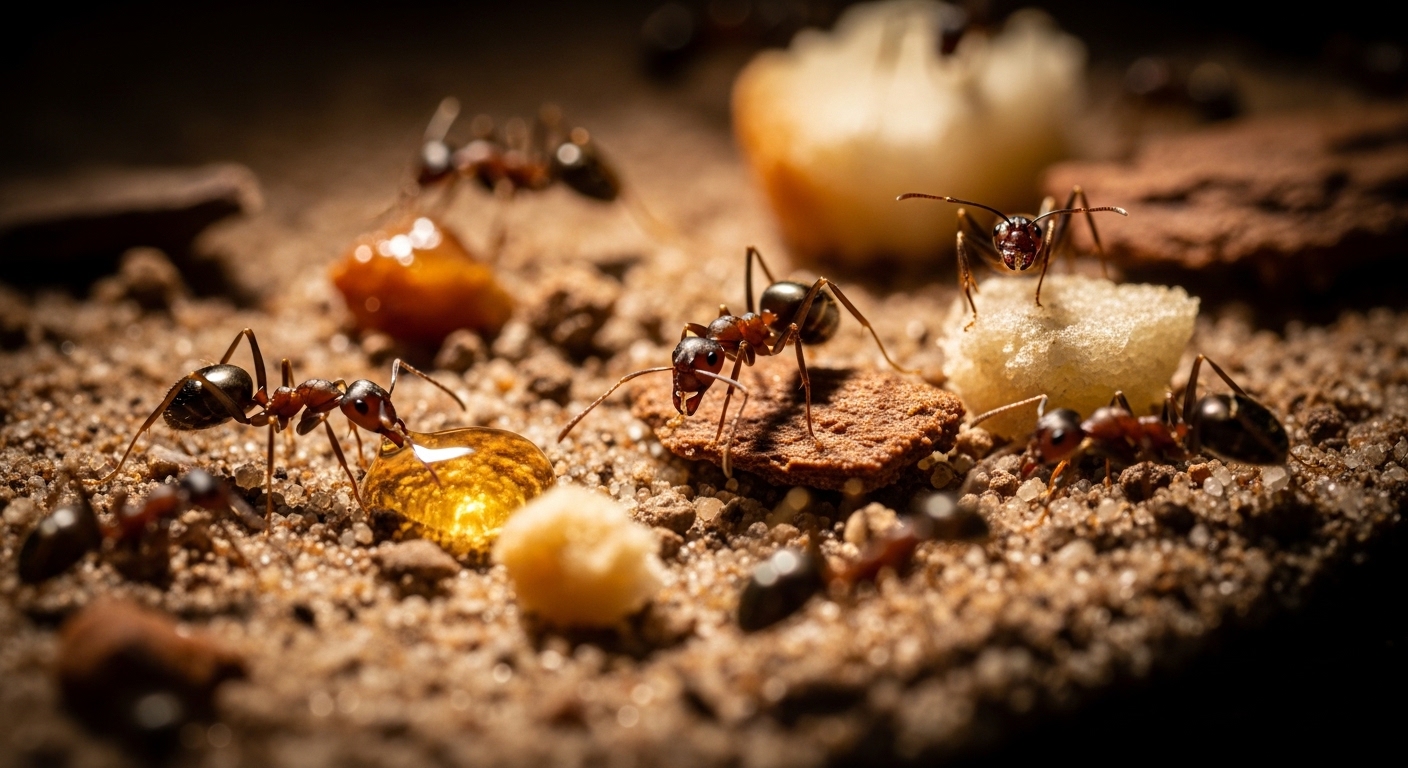
Observing ants in a controlled environment reveals fascinating behavioral patterns. From division of labor to communication, every action serves a purpose.
Worker ants handle tasks like foraging, cleaning, and caring for larvae. The queen focuses solely on reproduction, ensuring colony growth.
You will also notice how ants create and modify tunnels, demonstrating their instinct for efficient space usage and survival.
Feeding Your Ant Colony the Right Way
Proper nutrition keeps your colony active and healthy. Ants require a combination of protein and sugar sources.
Protein supports growth and larval development, while sugars provide energy for daily activities. Common food options include small insects, honey, and sugar water.
Consistency matters more than quantity. Regular feeding schedules help maintain a balanced and thriving colony.
Maintaining the Perfect Environment
A successful ant formicarium depends on maintaining stable conditions. Temperature, humidity, and cleanliness all play vital roles.
Most species thrive in moderate temperatures and require specific humidity levels within their nesting area. Overly dry or wet conditions can harm the colony.
Cleaning the outworld and removing leftover food prevents mold and keeps the habitat safe for your ants.
Common Mistakes That Can Harm Your Colony
Even experienced keepers make mistakes, but understanding common pitfalls helps you avoid them early.
Overfeeding often leads to mold growth, which can damage the colony. Disturbing the nest too frequently also stresses the ants and disrupts their natural behavior.
Another common issue involves choosing a formicarium that is too large. Ants prefer compact spaces, especially during early colony stages.
Expanding Your Formicarium as the Colony Grows
As your colony grows, space becomes a crucial factor. Expanding the formicarium allows ants to continue developing without overcrowding.
Modular setups make expansion easier. You can connect additional chambers or outworlds without disturbing the existing colony.
This gradual growth approach ensures the ants adapt comfortably to new spaces while maintaining their natural behavior patterns.
The Joy of Watching a Living Ecosystem
One of the most rewarding aspects of keeping an ant formicarium is observing a living ecosystem in action. Every day brings new activity, from tunnel expansion to food transport.
Unlike passive hobbies, this one keeps you engaged through constant change. The colony evolves over time, offering fresh insights into ant behavior.
This dynamic environment makes ant keeping both educational and deeply satisfying.
Comparing Ant Formicariums With Traditional Pet Setups
Ant formicariums differ significantly from traditional pet habitats. They require less direct interaction but offer more observational value.
You do not need to walk or train ants, yet you gain a deeper understanding of natural systems. This makes them ideal for people who enjoy learning through observation.
Their compact size also makes them suitable for small living spaces, adding to their practicality.
Safety and Ethical Considerations
Keeping ants responsibly ensures both your safety and the well-being of the colony. Always choose species that are legal and safe to keep in your region.
Avoid releasing captive ants into the wild, as this can disrupt local ecosystems. Responsible care also includes providing proper food and habitat conditions.
Respecting these guidelines helps maintain a sustainable and ethical hobby.
Enhancing Your Setup for Better Observation
Improving your ant formicarium setup can enhance your overall experience. Small adjustments often make a big difference.
Adding proper lighting allows clearer visibility without disturbing the ants. Using a red film over the nest area can simulate darkness while still letting you observe.
You can also document your colony’s growth, creating a visual record of its development over time.
Internal Linking Opportunities for Better Exploration
To deepen understanding, you can naturally include links to related topics within your content. For example, linking to how to care for a queen ant or best beginner ant species adds value.
These connections guide readers toward more detailed insights, helping them build knowledge step by step.
Such linking also improves navigation and keeps readers engaged with your content.
Conclusion
An ant formicarium opens a window into a hidden world that most people never get to see up close. It blends science, patience, and curiosity into a hobby that continues to reward you over time. As your colony grows and evolves, so does your understanding of these incredible creatures, making every moment spent observing them worthwhile.
FAQs About Ant Formicarium
What is the best ant species for beginners?
Species like Lasius niger or Camponotus are often recommended because they are hardy and easy to care for.
How long does it take for a colony to grow?
Growth depends on the species, but most colonies take several months to establish and expand.
Do ants need sunlight in a formicarium?
Ants prefer darkness in their nesting area, so direct sunlight is not necessary and can even be harmful.
How often should I feed my ants?
Feeding frequency depends on colony size, but most colonies benefit from small, regular feedings every few days.
Can I keep multiple colonies together?
Different colonies should not be kept together, as ants are territorial and may fight.
Is an ant formicarium suitable for kids?
Yes, it can be an educational and engaging hobby for children when supervised properly.