A chipped tooth crown is one of the most common dental restoration problems, especially with porcelain and ceramic crowns. Even though crowns are made to protect weak or previously damaged teeth, they can still chip from pressure, trauma, or long-term wear. Hard foods, accidental impact, nighttime grinding, and uneven bite force are some of the most common reasons behind a chipped crown tooth.
For many people, this becomes even more stressful when it happens to a visible tooth. A chipped front tooth crown cost can vary depending on whether the crown needs a simple repair or full replacement. The positive side is that many minor chips can be fixed without replacing the entire restoration. Dentists often repair small chips using smoothing, bonding, or reshaping techniques that restore both function and appearance.
What a Chipped Tooth Crown Really Means
A crown is a custom cap that covers and protects a damaged tooth. When part of that material breaks away, it becomes a chipped tooth crown.
This damage may affect:
- the visible front surface
- the biting edge
- the gumline margin
- the porcelain outer layer
- the side wall of the crown
Sometimes the issue is only cosmetic, such as a tiny rough edge you feel with your tongue. In other cases, the chip can expose the natural tooth underneath, leading to sensitivity, bacterial leakage, or deeper damage. That is why every chipped crown tooth should be checked quickly.
Common Causes of a Chipped Crown Tooth
There are many reasons why a crown for chipped tooth may become necessary.
Most common causes
- biting ice or hard candy
- chewing popcorn kernels
- teeth grinding or clenching
- sports injury or accidental trauma
- poor bite alignment
- weak crown bonding
- aging porcelain material
- decay under the crown
Porcelain and ceramic crowns are highly aesthetic, but they can be more vulnerable to edge chipping under repeated stress. Bruxism is one of the biggest reasons long-term crowns eventually fail.
Signs and Symptoms You Should Never Ignore
A chipped crown tooth may not always hurt immediately. In fact, many people only notice it when flossing, chewing, or touching the tooth with their tongue.
Watch for:
- rough sharp edge
- visible missing piece
- hot or cold sensitivity
- chewing discomfort
- food trapping
- gum irritation
- crown looseness
- dark crack line
Even a very small chip can trap plaque and bacteria, increasing the risk of decay beneath the crown.
Can a Crown for Chipped Tooth Be Repaired?
Yes, many cases of chipped tooth crown damage can be repaired without replacement. The treatment depends on how large the chip is and whether the natural tooth underneath is still fully protected.
Minor chip repair options
- smoothing rough edges
- composite bonding
- porcelain polishing
- ceramic patching
- bite adjustment
A repair usually works best when the chip is small, above the gum line, and the crown remains strongly attached.
When a Full Crown Replacement Is Necessary
Some crowns cannot be safely repaired and need complete replacement instead.
Replacement is often needed when
- a large section breaks off
- the crack reaches the margin
- the natural tooth is exposed
- decay is found underneath
- the crown feels loose
- the fracture extends under the gum
- multiple repairs already failed
In these cases, the dentist usually removes the damaged crown, checks the tooth structure, and creates a new custom restoration for long-term protection.
Chipped Front Tooth Crown Cost Factors Explained
The chipped front tooth crown cost depends on several treatment factors.
Main cost factors
- chip size
- crown material
- front tooth color matching
- cosmetic shaping needs
- digital scan or lab work
- emergency visit fees
- need for temporary crown
- underlying tooth treatment
Front teeth usually cost more because dentists must carefully match translucency, smile symmetry, and natural shade blending.
Emergency Steps to Take at Home
If your chipped crown tooth happens unexpectedly, immediate care helps prevent worsening.
Immediate home care
- rinse with warm salt water
- avoid chewing on that side
- keep the broken piece safe
- cover sharp edges with dental wax
- avoid sticky foods
- use sensitivity toothpaste
Never try using regular glue at home. Professional dental repair is always the safest option.
Risks of Leaving a Chipped Crown Tooth Untreated
Ignoring a chipped tooth crown can create serious oral health problems over time. A small surface issue may spread deeper with repeated chewing pressure, allowing bacteria to move underneath the crown.
Potential risks
- tooth decay under crown
- bacterial leakage
- gum inflammation
- worsening sensitivity
- larger fracture spread
- nerve infection
- root canal need
- complete crown failure
Early treatment is always cheaper and safer than waiting until the tooth underneath becomes infected.
Best Materials Used for Crown Repair or Replacement
The material choice for a crown for chipped tooth depends on tooth location, bite force, and cosmetic goals.
Popular materials
- porcelain
- zirconia
- ceramic
- porcelain fused to metal
- composite resin
For visible front teeth, zirconia with porcelain layering is often chosen because it offers both strength and a natural appearance. Chipped Tooth Crown.
How Dentists Fix a Chipped Tooth Crown
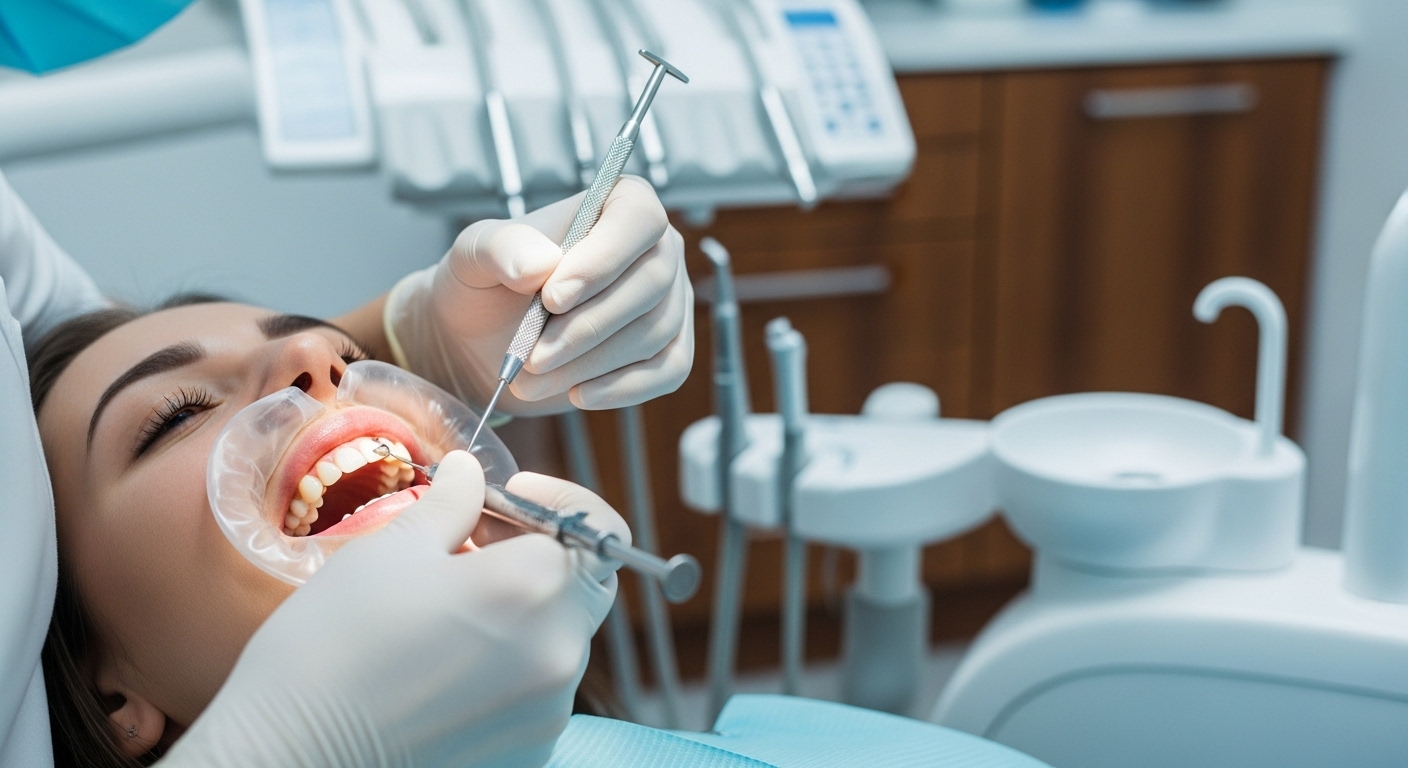
The repair process follows a smooth clinical workflow. First, the dentist checks the size of the chip, bite pressure, and the health of the tooth under the crown. If the damage is minor, smoothing or bonding may be enough. For severe fractures, a new crown impression or same-day CAD/CAM crown may be recommended.
Prevention Tips to Avoid Future Crown Damage
Preventing future chipped crown tooth problems is just as important as fixing the current one.
Best prevention tips
- avoid chewing ice
- wear a night guard
- stop biting pens
- fix grinding habits
- avoid using teeth as tools
- maintain regular cleanings
- correct bite misalignment
- replace old worn crowns
These habits can significantly extend the life of your restoration. Chipped Tooth Crown.
Long-Term Outlook and Crown Lifespan
Most dental crowns last 10 to 15 years or longer, depending on the material, bite force, and oral care habits. Well-maintained crowns on front teeth may last even longer because they experience less chewing pressure than molars. A repaired chipped tooth crown can also remain stable for years if grinding and hard-food habits are controlled.
When to See a Dentist Immediately
You should seek immediate dental care if:
- sharp pain starts
- swelling appears
- the tooth underneath is visible
- the crown becomes loose
- bleeding starts near the gum
- chewing becomes difficult
- the chip is on a front visible tooth
Prompt treatment helps save both the crown and the tooth underneath. Chipped Tooth Crown.
Conclusion
A chipped tooth crown should never be ignored, even if it seems like a minor cosmetic issue. Small chips can often be repaired quickly, while deeper fractures may require a complete replacement crown. The most important step is acting early so the tooth underneath remains protected.
Whether the concern is function, appearance, or chipped front tooth crown cost, timely dental treatment always gives the best long-term outcome. Chipped Tooth Crown.
FAQs
1. Can a chipped crown tooth be repaired?
Yes, minor chips are often repaired with smoothing or composite bonding.
2. How much is chipped front tooth crown cost?
It depends on chip size, crown material, and whether repair or full replacement is needed.
3. Is a chipped tooth crown urgent?
Yes, especially if the natural tooth underneath is exposed or the crown feels loose.
4. What is the most common cause of a chipped crown tooth?
Hard foods, teeth grinding, and accidental trauma are the top causes.
5. Can a chipped crown get worse if untreated?
Yes, it can lead to bacterial leakage, deeper fractures, and tooth infection.