In modern construction, strength, durability, and efficiency are critical factors when selecting building materials. One material that has gained widespread popularity in both residential and commercial construction is the LVL beam. Known for its superior strength and reliability, LVL (Laminated Veneer Lumber) beams are now a go-to choice for builders, engineers, and homeowners alike.
Whether you are planning a home renovation, constructing a new building, or simply exploring structural materials, understanding beams can help you make informed decisions. This detailed guide covers everything, from manufacturing and benefits to installation and costs, ensuring you have complete knowledge of this essential construction material.
What is an LVL Beam?
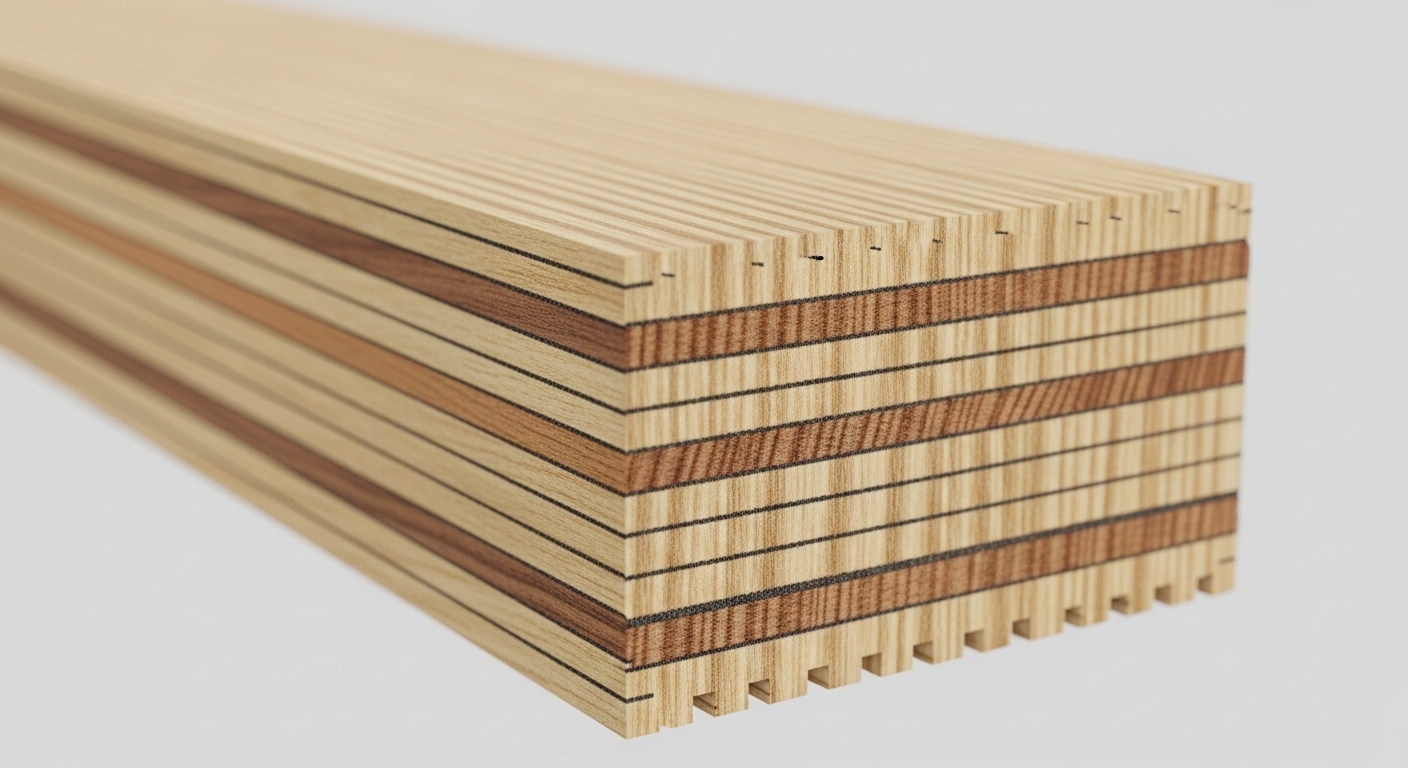
An LVL beam (Laminated Veneer Lumber beam) is an engineered wood product made by bonding multiple thin layers of wood veneers together under heat and pressure. These layers are arranged in the same direction, giving the beam exceptional strength and consistency.
Unlike traditional solid wood beams, beams are manufactured to eliminate natural defects such as knots and warping, making them more reliable for structural applications.
Key Definition
- LVL = Laminated Veneer Lumber
- Engineered for strength and uniformity
- Commonly used in load-bearing structures
How LVL Beams Are Made (Step By Step Process)
The manufacturing process of LVL beams is what sets them apart from traditional lumber.
Log Selection
High-quality logs are chosen for uniformity and strength.
Peeling into Veneers
Logs are peeled into thin sheets (veneers).
Drying Process
Veneers are dried to reduce moisture content.
Adhesive Application
Strong adhesives are applied to each veneer layer.
Layer Alignment
All veneers are aligned in the same grain direction.
Pressing and Bonding
Layers are pressed under high heat and pressure.
Cutting and Finishing
The final beam is cut into standard sizes.
This controlled process ensures consistency and eliminates weak points commonly found in natural wood.
Key Features of LVL Beams
LVL beams offer several features that make them ideal for construction projects.
Main Features
- High Strength-to-Weight Ratio
- Uniform Structure
- Resistance to Warping and Twisting
- Long Span Capability
- Dimensional Stability
These features make beams a reliable alternative to traditional timber.
Advantages of LVL Beams
Choosing an beam provides numerous benefits over conventional materials.

Top Advantages
- Consistent Quality – No natural defects like knots
- Stronger Than Solid Wood – Engineered for heavy loads
- Longer Spans – Fewer support columns needed
- Cost Efficiency – Reduced labor and material waste
- Versatility – Suitable for various construction applications
Why Builders Prefer LVL
Builders and engineers prefer LVL beams because they deliver predictable performance, which is critical in structural design.
LVL Beam vs Traditional Lumber
Understanding the difference between beams and traditional lumber helps in selecting the right material.
Comparison Table
| Feature | LVL Beam | Traditional Lumber |
|---|---|---|
| Strength | High | Moderate |
| Consistency | Uniform | Variable |
| Warping | Minimal | Common |
| Span Length | Longer | Shorter |
| Cost | Moderate | Lower upfront |
Conclusion of Comparison
While traditional lumber may be cheaper initially, beams offer better long-term performance and reliability.
LVL Beam Sizes and Dimensions
LVL beams come in a variety of sizes to suit different construction needs.
Common Sizes
- Thickness: 1.75 inches (standard)
- Depth: 5.5 inches to 24 inches
- Length: Up to 60 feet or more
Custom Sizes
Manufacturers can produce custom sizes based on project requirements, making beams highly flexible.
Common Uses of LVL Beams
LVL beams are widely used in both residential and commercial construction.
Typical Applications
- Roof beams
- Floor joists
- Door and window headers
- Garage door supports
- Load-bearing walls
Their versatility makes them suitable for almost any structural application.
Beam Load Capacity
One of the most important aspects of an beam is its load-bearing capacity.
Factors Affecting Load Capacity
- Beam size and thickness
- Span length
- Load type (live load vs dead load)
- Installation method
Why Load Calculation Matters
Incorrect load calculations can lead to structural failure, so it’s essential to consult an engineer when designing with beams.
LVL Beam Span Tables Explained
Span tables help determine how far an beam can span without support.
Key Points
- Larger beams span longer distances
- Heavier loads reduce span length
- Manufacturer guidelines must be followed
Example
A typical LVL beam can span:
- 10–20 feet for residential use
- More for larger commercial applications
How to Install an LVL Beam
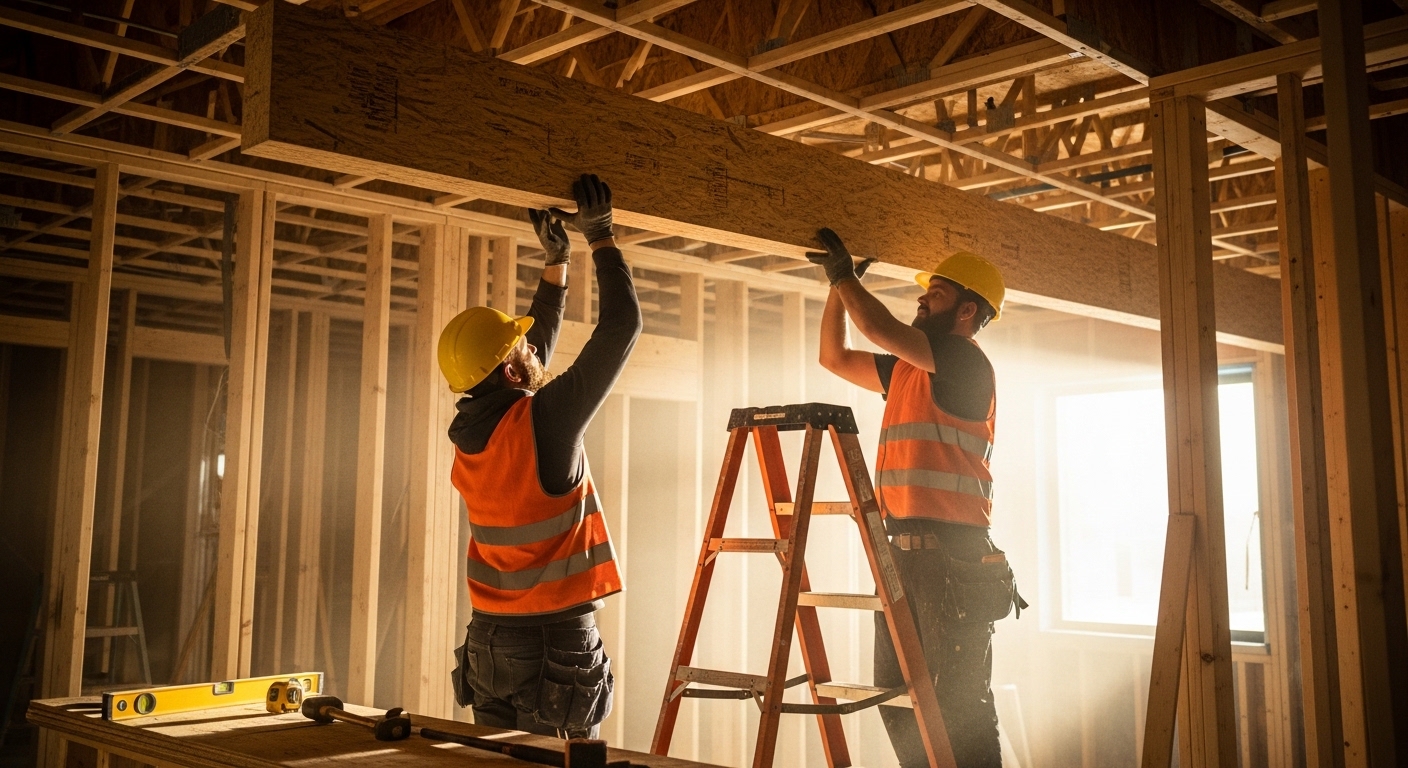
Proper installation is crucial for safety and performance.
Installation Steps
- Measure and mark placement
- Prepare support structures
- Lift the beam into position
- Secure with fasteners
- Ensure level alignment
- Inspect for stability
Tools and Materials Required
Essential Tools
- Measuring tape
- Level
- Drill and screws
- Safety equipment
- Lifting tools
LVL Beam Cost Breakdown
The cost of LVL beams varies depending on several factors.
Average Cost
- $3 to $12 per linear foot (approximate)
- Installation costs vary based on labor
Total Project Cost
- Small projects: $500–$1,500
- Large projects: $2,000–$10,000+
Factors Affecting Beam Pricing
- Beam size and length
- Brand and manufacturer
- Location and availability
- Labor costs
Maintenance and Durability
LVL beams are known for their durability but still require basic maintenance.
Maintenance Tips
- Keep dry and protected from moisture
- Inspect regularly for damage
- Avoid prolonged exposure to water
Beam for Residential Construction
In homes, LVL beams are commonly used for:
- Open floor plans
- Large windows and doors
- Basement support
They allow homeowners to create modern, spacious designs.
LVL Beam for Commercial Projects
Commercial buildings rely heavily on beams due to their strength.
Applications
- Office buildings
- Warehouses
- Retail spaces
Environmental Impact of Beams
beams are considered environmentally friendly because:
- They use smaller trees efficiently
- Reduce waste
- Are manufactured with sustainable practices
Common Mistakes to Avoid
- Choosing the wrong beam size
- Ignoring load calculations
- Poor installation
- Skipping professional advice
Tips for Choosing the Right Beam
Expert Tips
- Consult a structural engineer
- Check manufacturer specifications
- Consider future load requirements
- Choose high-quality materials
Conclusion
The LVL beam is one of the most reliable and versatile materials in modern construction. Its strength, durability, and consistency make it an excellent choice for both residential and commercial projects.
From supporting heavy loads to enabling innovative designs, beams offer unmatched performance. By understanding their features, costs, and installation requirements, you can confidently incorporate them into your next project.
FAQs
1. What does LVL stand for?
LVL stands for Laminated Veneer Lumber.
2. Are LVL beams stronger than wood?
Yes, beams are stronger and more consistent than traditional lumber.
3. How far can an LVL beam span?
It depends on size and load, but typically 10–20 feet in residential construction.
4. Are beams expensive?
They are moderately priced but offer better long-term value.
5. Can LVL beams get wet?
They should be protected from prolonged moisture exposure.
6. Do I need a professional to install an beam?
Yes, professional installation is recommended for safety and compliance.