In today’s fast-changing workplace, human resource teams are no longer limited to hiring and payroll tasks. They are now responsible for building culture, improving employee engagement, and driving company success.
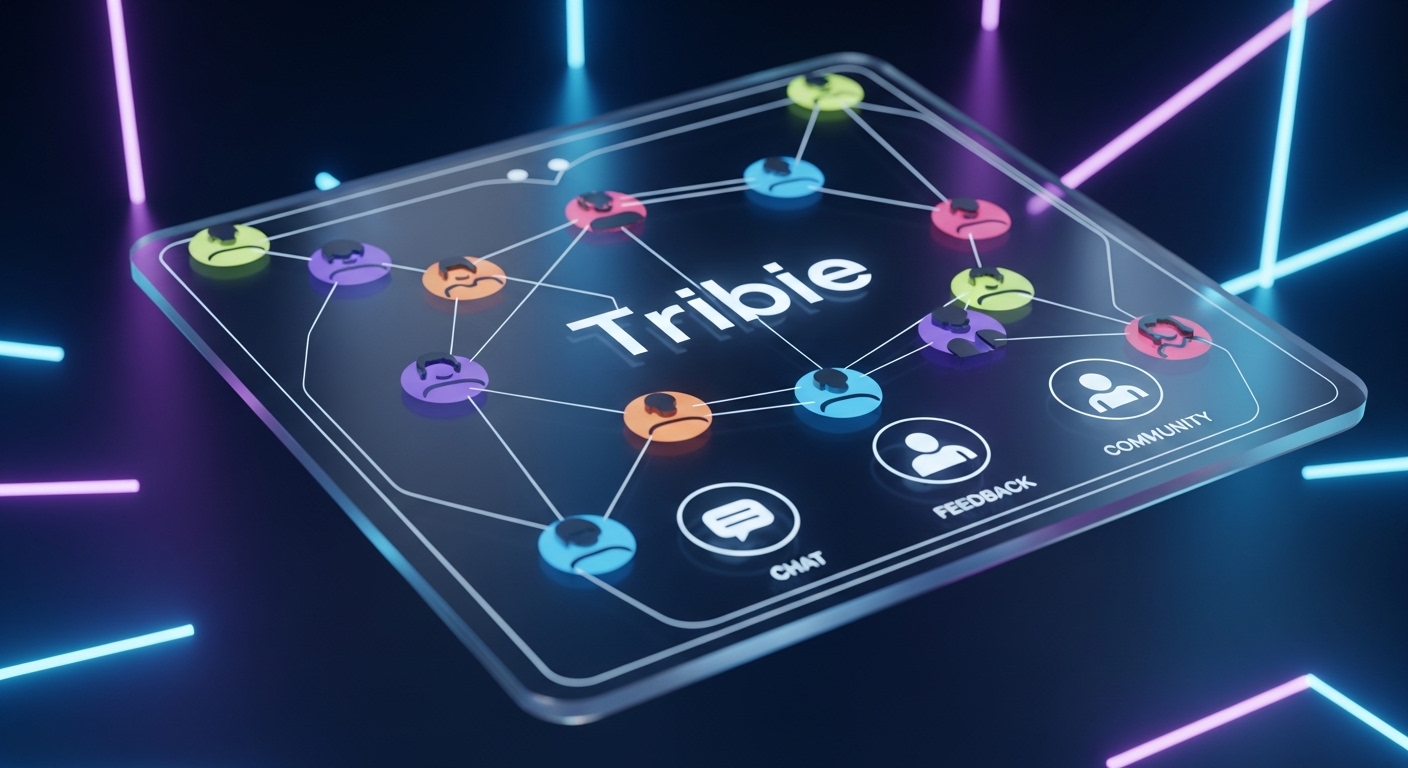
This is where platforms like Tribie come into play. The tribie hr team concept represents a modern approach to HR, where communication, community, and collaboration are at the center.
This article explores everything about the Tribie HR Team, from its functionality and benefits to its role in shaping the future of workplace management.
What is Tribie HR Team?
The tribie hr team refers to how organizations use the Tribie platform to manage internal communication, employee engagement, and team collaboration.
Instead of focusing only on administrative HR tasks, Tribie enables companies to build internal communities where employees can interact, share ideas, and stay connected.
This modern approach reflects the shift from traditional HR systems to more people-focused strategies.
The Evolution of HR Teams in the Digital Era
Human Resources has evolved significantly over the past decade.
Earlier, HR departments mainly handled:
- Recruitment
- Payroll
- Employee records
Now, HR teams are responsible for:
- Employee engagement
- Workplace culture
- Digital communication
- Team collaboration
This transformation has created the need for platforms like Tribie that focus on community-building rather than just administration.
How Tribie HR Team Works
The tribie hr team model works by creating a centralized digital space where employees can interact.
This section is best explained in paragraph form.
Organizations use Tribie to create internal groups, discussions, and activities. Employees can join communities based on interests, departments, or projects. This helps break down communication barriers and encourages collaboration.
Instead of emails and scattered tools, everything happens in one place, making HR processes more efficient.
Core Features of Tribie HR Team
Tribie offers a variety of features that support HR teams and employees.
Key Features
- Internal community creation
- Employee engagement tools
- Communication channels
- Activity tracking
- Feedback systems
- Mobile-friendly interface
These features make it easier for HR teams to manage communication and engagement effectively.
Employee Engagement and Community Building
Employee engagement is one of the biggest challenges for modern organizations.
This section works best as a paragraph.
The tribie hr team approach focuses heavily on creating a sense of belonging. Instead of treating employees as isolated individuals, it brings them together through shared interests and activities.
This leads to stronger relationships, better communication, and improved workplace morale.
Role of HR Technology in Modern Teams
Technology plays a crucial role in shaping modern HR practices.
Key Roles of HR Technology
- Automating routine tasks
- Improving communication
- Enhancing employee experience
- Providing data insights
- Supporting remote teams
Platforms like Tribie are part of a broader shift toward digital HR solutions.
Benefits of Using Tribie HR Team
The tribie hr team model offers several advantages for organizations.
Main Benefits
- Improved employee engagement
- Better internal communication
- Stronger workplace culture
- Increased productivity
- Enhanced collaboration
These benefits make it a valuable tool for companies of all sizes.
User Experience and Platform Design
A good HR platform must be easy to use.
This section is paragraph-only for clarity.
Tribie is designed with simplicity in mind. Its interface allows users to navigate easily, participate in discussions, and access features without confusion.
A user-friendly design is essential because it ensures that employees actually use the platform regularly.
Tribie HR Team vs Traditional HR Systems
There is a clear difference between traditional HR systems and modern platforms like Tribie.
Key Differences
- Traditional HR focuses on administration
- Tribie focuses on engagement and community
- Traditional systems use formal communication
- Tribie encourages interactive communication
- Traditional HR is process-driven
- Tribie is people-driven
This shift represents the future of HR management.
Challenges and Limitations
Despite its benefits, the tribie hr team model also has some challenges.
Potential Limitations
- Requires active participation from employees
- May not replace all HR systems
- Needs proper implementation
- Learning curve for new users
Understanding these challenges helps organizations use the platform effectively.
Use Cases for Businesses
Different types of organizations can benefit from Tribie.
Common Use Cases
- Remote teams
- Startups
- Corporate organizations
- Community-driven workplaces
- Employee engagement programs
These use cases show the flexibility of the platform.
Future of HR Teams and Platforms
The future of HR is becoming more digital and people-focused.
This section is paragraph-only.
Platforms like Tribie represent a shift toward human-centered workplaces where communication and engagement are prioritized. As remote work continues to grow, such tools will become even more important.
HR teams will increasingly rely on technology to create meaningful employee experiences.
Best Practices for HR Teams
To get the most out of platforms like Tribie, HR teams should follow best practices.
Best Practices
- Encourage active participation
- Create engaging communities
- Use feedback tools regularly
- Maintain transparency
- Provide training for employees
These practices ensure better results.
Conclusion
The tribie hr team represents a modern approach to human resource management that goes beyond traditional administrative tasks.
By focusing on community, engagement, and communication, platforms like Tribie are transforming how organizations operate.
As workplaces continue to evolve, tools like Tribie will play a key role in shaping the future of HR.
Frequently Asked Questions
1. What is the Tribie HR Team?
The Tribie HR Team refers to the modern approach of using the Tribie platform to manage human resources. It focuses on building internal communities, improving engagement, and facilitating collaboration rather than just handling administrative tasks like payroll.
2. How does Tribie improve employee engagement?
Tribie improves engagement by creating a digital space where employees can interact based on shared interests, departments, or projects. This fosters a sense of belonging and community, which leads to higher morale and better communication.
3. What are the main features of the Tribie platform?
Key features include internal community creation, employee engagement tools, dedicated communication channels, activity tracking, feedback systems, and a mobile-friendly interface designed for seamless user experience.
4. Is Tribie suitable for remote teams?
Yes, Tribie is highly suitable for remote teams. Its digital-first approach helps bridge the gap between distributed employees by providing a centralized hub for interaction and collaboration, regardless of location.
5. How is Tribie different from traditional HR software?
Traditional HR software is often process-driven and administrative (focusing on records and payroll). Tribie is people-driven, focusing on engagement, culture, and interactive communication to enhance the overall employee experience.